Category: Blog

  • Get The Ultimate Guide On How To Pack Shoes For Moving

    Get The Ultimate Guide On How To Pack Shoes For Moving

    Are you planning a move and wondering how to pack your shoes so they arrive in pristine condition? Look no further! Adam Moving, an award-winning moving company with years of experience, is here to guide you through the process. We understand that your shoes are more than just footwear; they are an investment and often hold sentimental value.

    That’s why we’ve put together this comprehensive guide to help you pack your shoes like a pro. From the materials you’ll need to step-by-step instructions, we’ve got you covered. Whether you’re relocating locally or embarking on a long-distance journey, our tips will ensure that your shoes reach their new home safely and securely.

    So, let’s dive into the ultimate guide on how to pack shoes for moving, backed by the expertise of Adam Moving.

    How to Pack Shoes for Moving?

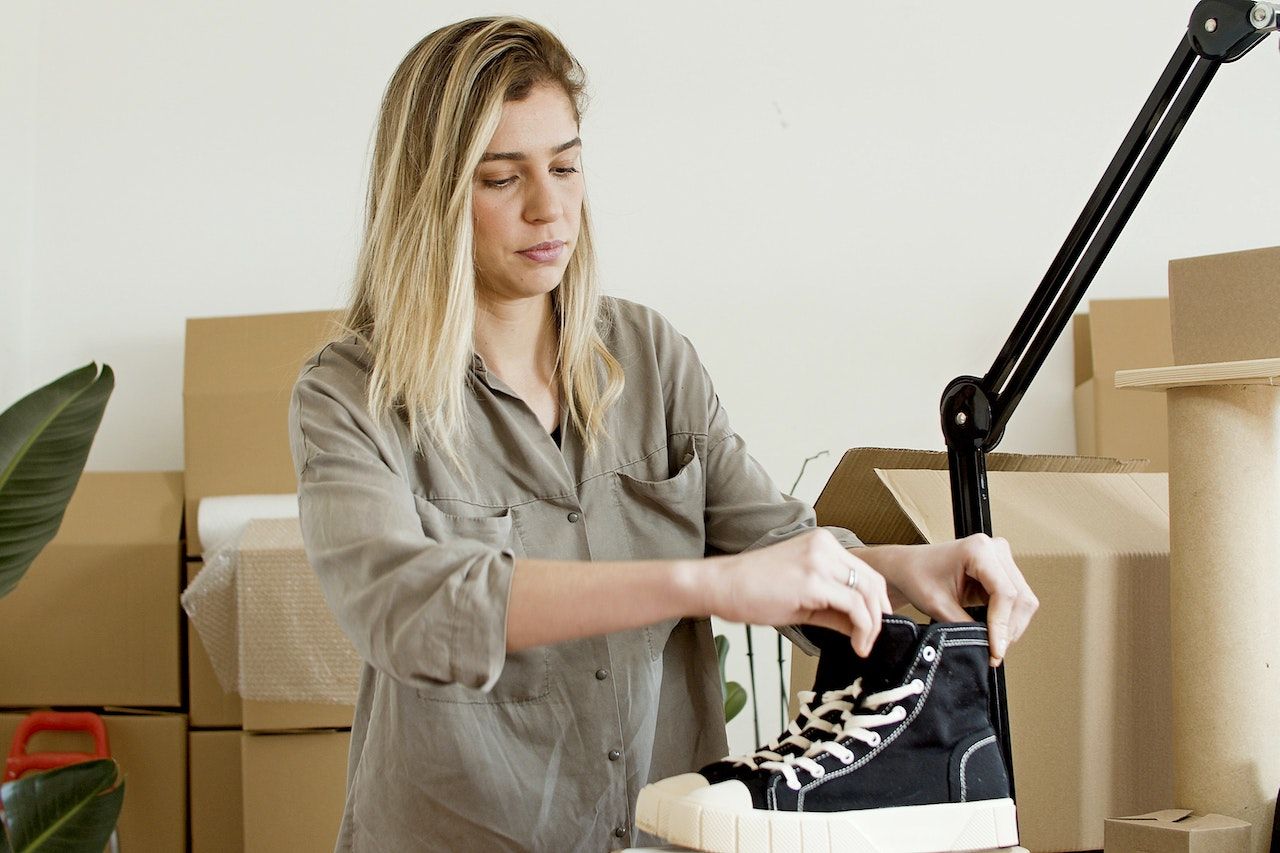
    To pack all your shoes for moving, start by cleaning and polishing each pair. Wrap each shoe individually in packing paper, bubble wrap, or tissue paper, and secure the wrapping with tape. Fill the inside of the shoes with packing material like tissue paper to maintain their shape.

    Place the wrapped shoes in their original shoe boxes or small packing boxes, making sure they don’t touch each other to prevent scuffing. Seal the boxes with strong packing tape and label them clearly. Finally, stack the boxes in the moving truck, placing heavier boxes at the bottom and lighter ones on top for stability.

    Why Packing Shoes Properly is Important?

    how to pack shoes for moving, shoe box, moving shoes

    Packing all your shoes properly is crucial for several reasons. Not only does it prevent your shoes from getting damaged during the move, but it also makes the unpacking process easier and more organized. Additionally, properly storing shoes in moving boxes takes up less space in the moving truck and helps maintain hygiene and cleanliness.

    1. Protecting Your Investment

    Shoes can be expensive, and for many people, they are a significant investment. It is essential to protect this investment by packing your shoes properly. Proper packing ensures that your shoes do not get damaged during the move.

    For example, shoes can get scratched, bent, or even broken if not packed correctly. Additionally, proper packing also helps maintain the shape and structure of your shoes, ensuring they remain in good condition for a long time.

    2. Preventing Damage During Transit

    During the move, your belongings will be transported in a moving truck, and there is a risk of damage during transit. Properly packing your shoes can help prevent this damage. By wrapping your shoes in protective materials and placing them in sturdy boxes, you can minimize the risk of damage caused by bumps and jostles during the move.

    3. Making Unpacking Easier

    Properly packing your shoes also makes the unpacking process easier and more organized. By packing your shoes in a systematic manner, you can quickly locate and unpack them at your new home. This saves you time and effort during the unpacking process.

    Additionally, properly packed shoes are easier to organize and store in your new home. For example, if you pack your shoes in pairs and label the boxes clearly, you can quickly put them away in your new closet or shoe rack. This helps you get settled into your new home more quickly and comfortably.

    4. Saving Space in the Moving Truck

    Properly packing your shoes can also help save space in the moving truck. Shoes can take up a lot of space if not packed correctly. For example, boots and high heels can be bulky and take up a lot of room. By packing your shoes efficiently, you can maximize the space in the moving truck and potentially save money on moving costs.

    5. Ensuring Hygiene and Cleanliness

    Finally, properly packing your shoes also helps maintain hygiene and cleanliness. Shoes can carry dirt, germs, and odors, and it is essential to pack them in a way that prevents them from contaminating your other belongings. For example, placing your shoes in plastic bags or wrapping them in packing paper can help contain any dirt or odors.

    Materials You’ll Need for Packing Shoes

    all the shoes, packing box

    Before you start packing your shoes, it is essential to gather all the necessary materials. Having the right materials on hand will make the packing process easier and more efficient. Here are some materials you will need for packing your shoes:

    1. Shoe Boxes

    Shoe boxes are ideal for packing shoes because they are designed to protect shoes and maintain their shape. If you have the original boxes for your shoes, it is best to use these. If not, you can use any sturdy cardboard box that fits your shoes comfortably.

    Using shoe boxes for packing also helps keep your shoes organized. You can pack each pair of shoes in its own box, which makes it easier to locate and unpack them at your new home. Additionally, shoe boxes are also easy to stack and load into the moving truck.

    2. Packing Paper

    Clean packing paper is essential for wrapping your shoes and providing extra protection during the move. It is best to use clean, white packing paper as a newspaper or colored paper can stain your shoes. You can use packing paper to wrap each shoe individually and to fill any empty spaces in the boxes.

    Using packing paper also helps maintain the shape of your shoes during the move. For example, you can stuff packing paper into the toes of your shoes to help them keep their shape. Additionally, packing paper also provides a layer of cushioning that helps protect your shoes from bumps and jostles during the move.

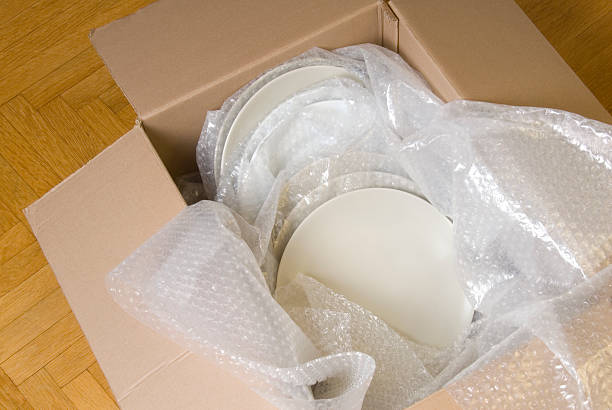
    3. Bubble Wrap

    Bubble wrap is another essential material for packing shoes. It provides extra cushioning and protection for your shoes during the move. It is especially important for packing delicate or expensive shoes that need extra protection.

    You can use bubble wrap to wrap each shoe individually or to line the inside of the boxes. Additionally, bubble wrap can also be used to fill any empty spaces in the boxes and provide extra cushioning.

    4. Packing Tape

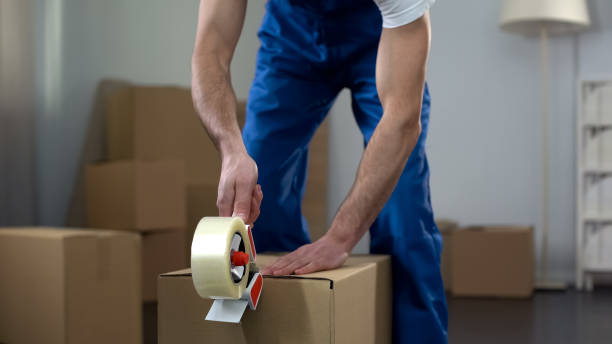
    Packing tape is essential for sealing the moving boxes and securing the packing materials. It is best to use strong, durable packing tape that will hold up during the move. You can use packing tape to seal the tops and bottoms of the boxes and to secure the packing paper and bubble wrap.

    Using packing tape also helps keep your shoes clean and dry during the move. For example, you can use packing tape to seal the plastic bags or wrap your shoes in to prevent dirt and moisture from getting in.

    5. Labels and Markers

    Labels and markers are essential for labeling the boxes and keeping your shoes organized. You can use labels and markers to clearly label each box with its contents and destination. For example, you can label the boxes with the type of shoes inside (e.g., “Running Shoes”) and the room they will go in at your new home (e.g., “Bedroom”).

    Using labels and markers also makes it easier to locate and unpack your shoes at your new home. Additionally, clearly labeled boxes also make it easier for the movers to know where to place each box, saving you time and effort during the unpacking process.

    6. Plastic Bags

    Plastic bags are useful for packing shoes that are dirty or wet. You can place each shoe in a separate plastic bag to prevent dirt and moisture from contaminating your other belongings. It is best to use sturdy, sealable plastic bags that will not tear or leak during the move.

    Using plastic bags also helps maintain hygiene and cleanliness. For example, you can use plastic bags to pack gym shoes or hiking boots that may be dirty or smelly. This helps prevent any dirt or odors from spreading to your other belongings during the move.

    7. Tissue Paper

    Tissue paper is another useful material for packing shoes. It is softer than packing paper and provides extra cushioning for delicate or expensive shoes. You can use tissue paper to wrap each shoe individually and to fill any empty spaces in the boxes.

    Using tissue paper also helps maintain the shape and appearance of your shoes. For example, you can stuff tissue paper into the toes of high heels or dress shoes to help them keep their shape. Additionally, tissue paper also provides a layer of protection that helps prevent scratches or scuffs on delicate or expensive shoes.

    8. Ziplock Bags

    Ziplock bags are useful for packing small items like shoelaces, insoles, and shoe accessories. You can place these items in separate Ziplock bags and label them clearly. This makes it easier to locate and unpack these items at your new home.

    Using Ziplock bags also helps keep these small items clean and organized. For example, you can use Ziplock bags to pack extra shoelaces or insoles that you do not want to get lost or dirty during the move. Additionally, Ziplock bags are also easy to pack and take up very little space.

    9. Cotton Balls

    Cotton balls are useful for packing delicate or expensive shoes that need extra protection. You can place cotton balls in the toes of your shoes to help them keep their shape. Additionally, you can also use cotton balls to provide extra cushioning for delicate or expensive shoes.

    Using cotton balls also helps prevent damage to your shoes. For example, you can use cotton balls to protect the tips of high heels or the soles of dress shoes. This helps prevent any scratches or scuffs that could occur during the move.

    Read More: Crucial Steps for a Stress-Free Move from Fort Lauderdale to Coconut Creek

    Preparing Your Shoes for Packing

    other shoe, lighter boxes

    Before diving into the packing process, it’s crucial to prepare your shoes adequately. This involves cleaning, sorting, and removing any loose items to ensure your shoes are ready for the move. Proper preparation not only keeps your shoes in top condition but also makes the packing process more efficient.

    1. Cleaning and Polishing

    Cleaning your dirty shoes before packing is essential for maintaining their quality and preventing dirt or odors from contaminating other items. A well-polished pair of leather shoes or a clean set of sneakers will be more resistant to potential damage like scuffs or scratches during the move.

    2. Sorting by Type and Use

    Sorting your casual shoes, flip flops, and seasonal shoes by type and use can significantly streamline the packing process. This categorization helps you decide which shoes should be packed together and which ones you’ll need until the last minute, making your move more organized and efficient.

    3. Pairing Shoes Together

    Pairing your loose shoes together before packing ensures that you won’t lose a single shoe in the moving chaos. Keeping pairs together also helps maintain the shape and structure of each shoe, preventing potential damage during transit.

    4. Removing Loose Items

    Taking out any loose items from your everyday shoes, like shoelaces or insoles, makes the packing process smoother. Storing these items separately in labeled Ziplock bags ensures that nothing gets lost or damaged, and it also makes it easier to reassemble everything at your new home.

    5. Checking for Damage

    Inspecting your precious shoes for any existing damage, like tears or worn soles, can help you decide which pairs are worth taking with you. This step prevents you from wasting packing space on shoes that you’ll end up discarding or repairing later.

    6. Airing Out the Shoes

    Airing out your lighter shoes before packing can prevent unpleasant odors and ensure that your shoes are dry and clean. This step is particularly crucial for shoes made of materials that are susceptible to mold or mildew when stored in damp conditions.

    7. Using Desiccants

    Using desiccants in your heavier shoes, like silica gel packets, can absorb any residual moisture, preventing mold or mildew from developing during the move. This extra step can be particularly beneficial for shoes made from materials that are sensitive to moisture, like leather.

    8. Disassembling Shoe Accessories

    If you’re wondering how many shoes with accessories like shoe trees or stretchers you have, disassembling these items before packing can save space and prevent potential damage. Store these accessories in separate, clearly labeled bags to make reassembly easier at your new home.

    Step-by-step Guide to Packing Shoes
    plastic wrap, one shoe

    Packing shoes for a move can be a daunting task, but with a systematic approach, you can ensure that your footwear arrives at your new home in pristine condition. This step-by-step guide aims to make the process as straightforward and efficient as possible.

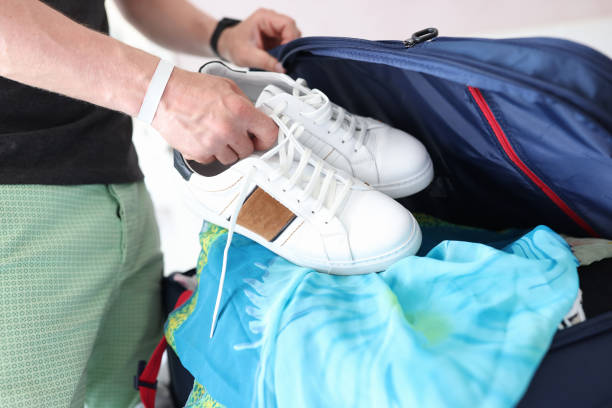
    1. Wrapping Individual Shoes

    Wrapping each shoe individually is the cornerstone of effective shoe packing. This practice not only provides an extra layer of protection against potential damage during the move but also helps maintain the shape and structure of each shoe, preventing issues like bent heels or scuffed surfaces.

    2. Filling the Shoe With Packing Material

    Filling the inside of each shoe with packing material like tissue paper or cotton balls can help maintain its shape during the move. This step also provides an additional layer of cushioning that can protect your shoes from the bumps and jostles of transit.

    3. Placing Shoes in Boxes

    Using shoe boxes or small cardboard boxes for packing your shoes can help keep them organized and protected. Labeling each box clearly will make it easier to locate and unpack your shoes at your new home, and it also facilitates more efficient loading into the moving truck.

    4. Sealing and Labeling Boxes

    Sealing the boxes securely with packing tape ensures that they stay closed during the move, protecting your shoes from dirt and moisture. Labeling each box with its contents and destination room will make the unpacking process at your new home much smoother.

    5. Stacking Boxes Correctly

    Stacking the boxes correctly in the moving truck is crucial for preventing damage. Placing heavier boxes at the bottom and lighter ones on top can also help maximize the available space in the truck, potentially saving you money on moving costs.

    6. Using Alternative Packing Methods

    If you run out of boxes or packing materials, towels or clothing can serve as an eco-friendly alternative for wrapping your shoes. Plastic bins or laundry baskets can also be used for packing, eliminating the need for additional cardboard boxes.

    7. Special Considerations for Expensive or Delicate Shoes

    For high-value or delicate shoes, extra precautions like additional layers of bubble wrap or the use of desiccants can provide added protection. These steps help maintain the quality and appearance of your expensive footwear, safeguarding your investment.

    8. Tips for Packing Boots

    Boots can be particularly challenging to pack due to their size and shape. Efficient packing methods, such as wrapping each boot individually and using larger boxes, can help you save space in the moving truck and prevent any potential damage.

    9. Packing Children’s Shoes

    Children’s shoes may be smaller and lighter, but they still require careful packing to maintain their quality and appearance. Using smaller boxes or plastic bins for children’s shoes can help keep them organized and make it easier to unpack them at your new home.

    10. Packing Athletic Shoes

    Athletic shoes are generally more durable but may require cleaning before packing. Proper cleaning and packing can help maintain the performance qualities of your athletic shoes, ensuring they’re ready for action as soon as you’ve settled into your new home.

    Read More: Effective Strategies for Moving from Fort Lauderdale to Deerfield Beach

    Common Mistakes to Avoid When Packing Shoes

    Packing shoes may seem straightforward, but there are common mistakes that people often make. Being aware of these can help you avoid them and ensure that your shoes arrive at your new home in the best possible condition.

    1. Overpacking Boxes

    One common mistake is overpacking boxes. This can cause the boxes to become too heavy and difficult to carry. Additionally, overpacking boxes can also cause the shoes to become distorted or damaged during the move.

    2. Using Damaged or Weak Boxes

    Another common mistake is using damaged or weak boxes. This can cause the boxes to break or collapse during the move, leading to damage to your shoes.

    3. Failing to Label Boxes

    Failing to label boxes is another common mistake. This makes it difficult to locate and unpack your shoes at your new home and can lead to confusion and delays during the unpacking process.

    4. Mixing Different Types of Shoes in One Box

    Mixing different types of shoes in one box is another common mistake. This can cause damage to delicate or expensive shoes and makes it difficult to locate and unpack your shoes at your new home.

    5. Failing to Use Enough Packing Material

    Failing to use enough packing material is another common mistake. This can lead to damage to your shoes during the move, especially if they are delicate or expensive.

    Why Choose Adam Moving for Your Relocation Needs?

    When it comes to moving, your shoes are often the last thing on your mind. But with Adam Moving, you can rest assured that even your most prized footwear will be handled with the utmost care and professionalism. We understand that shoes are more than just accessories; they are an extension of your personality and often carry sentimental value.

    1. Expertise in Packing: Our team is trained in the art of packing, ensuring that each pair of shoes, whether it’s your everyday sneakers or your high-end stilettos, is packed with the care it deserves.
    2. Customized Moving Plans: We understand that every move is unique. That’s why we offer customized moving plans to cater to your specific needs, including the safe and secure transport of your shoe collection.
    3. State-of-the-Art Moving Trucks: Our fleet of modern moving trucks is equipped with climate control and cushioning systems to ensure that your shoes arrive in the same condition they were left in.
    4. Temporary Storage Solutions: Need some time before you can move your shoes to your new place? We offer climate-controlled, secure storage facilities to keep your shoes safe.
    5. Award-Winning Service: Recognized as the Best Moving Company Nationwide by the National Movers Association in 2015, our commitment to excellence speaks for itself.
    6. Pre-move Consultation: Before the move, our experts will consult with you to understand your specific needs and concerns related to your shoe collection.
    7. Detailed Inventory: We take a detailed inventory of your collection to ensure that every pair makes it to your new home.
    8. Special Handling for Luxury and Vintage Pairs: Got a pair of vintage Jordans or luxury Louboutins? We offer special handling services to ensure they are moved without a scratch.
    9. Real-time Tracking: With our real-time tracking system, you can always know the status and location of your shoe collection during the move.
    10. Unpacking and Post-Move Services: Once we arrive at your new home, we don’t just dump the boxes and leave. We offer unpacking services and can even help you organize your shoe collection in your new space.

    Conclusion

    Packing and moving your shoes doesn’t have to be a daunting task. With proper preparation and a step-by-step approach, you can ensure that your footwear arrives at your new home in excellent condition. Remember, shoes can be both valuable and sentimental items, so they deserve the same level of care and attention as any other important possession during a move.

    And if you’re looking for a hassle-free, professional moving experience, Adam Moving is here to help. We specialize in handling all types of items, including your cherished shoe collection, with the utmost care and expertise.

    Don’t leave the safety and organization of your shoe collection to chance. Contact Adam Moving today for a free consultation and make your next move the smoothest one yet.

    FAQs

    What types of shoes require special packing?

    High heels, boots, and any shoes made from delicate materials like suede or leather should be packed with extra care to maintain their shape and prevent damage.

    How can I keep my shoes from getting squished or losing their shape during the move?

    Using packing materials like tissue paper or cotton balls to fill the inside of the shoes can help maintain their shape. Also, consider using shoe trees for leather shoes.

    What should I do if I don’t have the original shoe boxes?

    If you don’t have the original boxes, you can use small cardboard boxes. Just make sure to label them clearly so you can easily find what you’re looking for when you arrive at your new home.

    How should I pack boots or taller shoes?

    For taller shoes like boots, it’s advisable to use larger boxes and stuff them with packing material to help them maintain their shape. You can also lay them flat instead of standing them up to prevent them from bending or creasing.

    Can I pack other items with my shoes?

    While it’s possible to pack socks or shoe accessories like laces and insoles with your shoes, it’s generally best to pack shoes separately from other types of items to prevent any potential damage or staining.
  • Find Out How To Pack Books For Moving

    Find Out How To Pack Books For Moving

    Relocating to a new home or office brings with it a myriad of tasks and responsibilities. Among the most delicate of these tasks is ensuring that your cherished collection of books is packed safely and efficiently. Books, with their varying sizes, weights, and sentimental value, require special attention.

    Just imagine the weight of knowledge, both literal and figurative, that you’ll be transferring from one place to another! With Adam Moving by your side, the process need not be as daunting as it sounds. We understand the significance each book holds, whether it’s a rare first edition, an old college textbook, or a beloved novel.

    This comprehensive guide is specially curated to help you discover the most effective methods to pack your books and ensure they reach their new destination in pristine condition.

    How to Pack Books for Moving?

    how to pack books for moving, rolling suitcases, photo albums

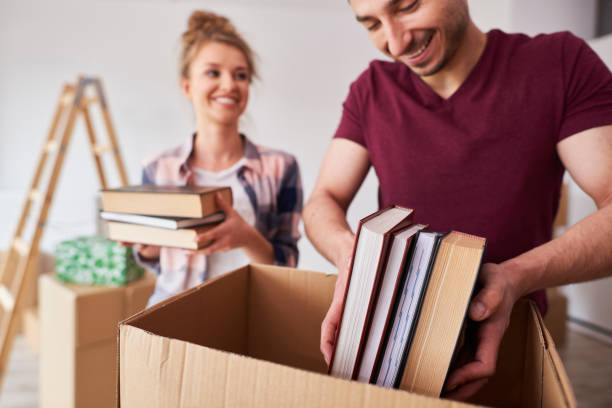
    When packing books for moving, begin by sorting and categorizing your books. Use sturdy, medium-sized boxes to prevent overloading. Lay books flat to avoid damaging the spines or alternate the spine direction. Fill any empty spaces with packing materials for added protection.

    Seal and label boxes appropriately, ensuring heavier books are at the bottom. For rare or antique books, consider using acid-free materials and extra cushioning. It’s also advisable to consult professionals for specific guidance or if unsure.

    The Essentials You’ll Need for Packing

    Before diving into the packing process, it’s imperative to gather all necessary materials. A well-prepared arsenal of packing tools ensures that each book is safely stored and ready for transit. Especially for hardcover books or valuable books, having the right materials is crucial.

    1. Sturdy Boxes of Appropriate Sizes

    Book boxes, specifically designed for book lovers, can make a world of difference. Opt for strong, corrugated boxes that can hold the weight of your books. It’s also important to choose various sizes. Not all books are of the same dimension, and having different-sized boxes allows for more tailored packing.

    Smaller boxes are perfect for heavier books, ensuring the box remains manageable to lift. Larger boxes, on the other hand, can accommodate lighter, bulkier items, maximizing space without becoming too heavy.

    2. Packing Paper and Bubble Wrap

    Soft packing materials are your books’ best friends. Using balled-up packing paper is a practical way to provide cushioning, while acid-free packing paper is particularly important for antique or sensitive items. They act as cushions, preventing damage during transit. Packing paper can be crumpled and used to fill voids in the boxes, ensuring books don’t move around.

    Bubble wrap is excellent for wrapping individual volumes, especially those that are rare or valuable. It provides an additional layer of protection, shielding the book from external pressures and potential damage.

    3. Heavy-duty Packing Tape

    A box is only as good as its seal. Using heavy-duty packing tape ensures that the boxes stay closed during the move. It also provides additional strength to the box, ensuring it doesn’t fall apart under the weight of the books.

    Remember to tape both the top and bottom of the box. Double-layering the tape on the box’s bottom adds an extra security layer, especially for those heavier boxes.

    4. Permanent Markers for Labeling

    Labeling is crucial in the moving process. With permanent markers, you can clearly mark each box with its contents, making unpacking more manageable. Whether you’re categorizing by genre, author, or room, clear labels streamline the process.

    Additionally, marking boxes with “Fragile” or “Handle with Care” can be invaluable, especially when dealing with valuable or antique books. It ensures that anyone handling the box is aware of its delicate contents.

    5. Plastic Wraps for Additional Protection

    Moisture, dust, and pests are threats to your books during the move. Plastic wraps can act as a barrier, keeping these elements out. For those delicate or valuable books in your collection, this precaution becomes even more essential. Wrapping your boxes or individual books in plastic can save them from potential water damage or dust accumulation.

    Especially if you’re moving during rainy or snowy seasons or if your books will be in storage for an extended period, this extra layer of protection can be a lifesaver.

    6. Bookends for Added Support

    Bookends are not just for shelves. When packing, they can provide structural support, ensuring books remain upright and don’t fall over or shift during transit. This is especially useful when a box isn’t entirely full.

    By placing bookends on either side of a stack of books, you create a stable environment inside the box. It’s an often-overlooked tool that can be incredibly beneficial during the moving process.

    Read More: Essential Factors to Consider When Moving to Hollywood from Fort Lauderdale

    Step-by-step Guide to Packing Books Efficiently

    moving boxes, regular cardboard boxes, packed books

    Now that you have all the essentials ready, it’s time to delve into the packing process. Here’s a structured approach to ensure that each book gets the attention and care it deserves.

    1. Sorting and Categorizing Your Books

    Before you dive into the packing process, take a moment to sort and categorize your collection. This can be based on genre, size, or frequency of use. Sorting not only makes packing easier but also streamlines the unpacking process.

    Additionally, categorizing provides an opportunity to declutter. As you sift through your collection, consider donating or selling books that you no longer need. This reduces the volume of books to move and can be a refreshing way to revisit your collection.

    2. Selecting the Right Box Size

    Choosing the appropriate box size is essential. It’s too big, and you risk the books moving around. Too small, and you might damage them. For hardbacks and larger books, smaller boxes work best to ensure they remain snug and secure. For small boxes, be careful not to overload them with too many hardcover books.

    For paperbacks and smaller books, medium-sized boxes can be ideal. Remember, books are heavy, so you don’t want to fill a large box entirely with them, as it can become too heavy to transport safely.

    3. Packing Books Flat to Prevent Spine Damage

    One of the common misconceptions about packing books is that they should always be placed upright. However, packing them flat can help distribute their weight evenly, minimizing the strain on their spines and preventing potential damage.

    Furthermore, placing heavier, larger books at the bottom and stacking lighter ones on top can optimize space and protect the books.

    4. Alternating the Spine Direction

    When you do choose to pack books vertically, alternating the direction of the spines can prove beneficial. This balances the box, preventing undue pressure on the books, and ensures a snug fit.

    This method can be particularly useful for paperbacks or a mix of hardbacks and paperbacks, ensuring the stability and safety of the content.

    5. Filling Empty Spaces With Packing Materials

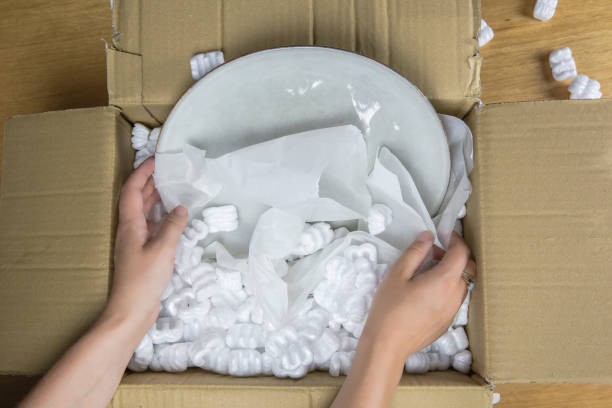
    Gaps within boxes can spell disaster for books, as they allow for unwanted movement. Utilize packing materials such as bubble wrap, crumpled newspapers, or foam peanuts to fill these voids.

    In addition to preventing book movement, these materials also offer additional protection against external pressures or accidental box drops.

    6. Sealing and Labeling Your Boxes Correctly

    Once your books are safely packed, ensuring a secure seal is crucial. Utilize strong packing tape and always double-check the box bottoms. After sealing, label each box, indicating its content and the room it belongs to, which will simplify the unpacking process.

    7. Tips for Handling Heavy Boxes

    Handling boxes full of books requires care. Always lift with your knees, not your back, and consider using a dolly or trolley for transport. If a box feels too heavy, it’s probably best to redistribute its content into two boxes. Remember, safety comes first!

    Read More: The Dos and Don’ts of Relocating from Fort Lauderdale to Pompano Beach

    Special Considerations for Antique or Rare Books

    store books, moving truck

    Handling antique or rare books requires a unique set of precautions. For book lovers with a collection of rarities, the following packing tips are especially important. These aren’t just typical reads; they’re cherished pieces of history that deserve special attention and care during a move.

    1. Using Acid-free Materials for Packing

    Antique books demand a delicate touch. Instead of standard packing materials, acid-free paper ensures that there’s no reaction with the ink or aging paper over time. By using acid-free materials, you ensure the integrity and longevity of your rare book collection.

    Furthermore, these specialized packing materials preserve the vibrant colors and textures of older publications, ensuring they remain untouched by external factors commonly found in regular packing supplies.

    2. Providing Extra Cushioning and Protection

    Due to their age and value, antique and rare books often require extra cushioning. Beyond the typical wear and tear, these treasures might be more susceptible to environmental factors during transit.

    Wrapping each book individually might seem tedious, but it’s an essential step. This, combined with soft protective materials like bubble wrap or foam inserts, ensures your collection remains unscathed during the move.

    3. Avoiding Over-packing the Box

    It’s tempting to utilize every inch of space in a moving box, but with rare books, this could be detrimental. Over-packing can cause unnecessary pressure on the books, leading to potential damage.

    Ensure that there’s some wiggle room in each box, which allows for protective materials and prevents the books from being squashed or strained. A slightly less full box ensures your books’ safety during the upheavals of moving.

    4. Storing in a Climate-Controlled Environment With Adam Moving Storage Facilities

    Environmental factors like humidity and temperature fluctuations can be the bane of antique books. If you’re considering storage, even if temporary, Adam Moving’s climate-controlled facilities are the ideal choice.

    Our specialized storage ensures that your collection remains in a stable environment, safeguarding against moisture, heat, or cold, all of which could have detrimental effects on antique publications.

    5. Insuring Rare Books for Transit

    The intrinsic and sentimental value of rare books cannot be understated. Thus, insuring them during transit becomes a non-negotiable. In the rare event of damage or loss, insurance ensures you’re covered, giving you peace of mind during an already stressful process.

    Mistakes to Avoid When Packing Books

    one box, start packing

    Moving can be chaotic, and amid the hustle, it’s easy to make errors. When it comes to books, certain mistakes can prove costly. Here’s a breakdown of what you should steer clear of.

    1. Using Weak or Damaged Boxes

    The weight of books can take a toll on boxes. Old or previously used boxes might compromise under this weight, risking damage to your collection. Always opt for sturdy, new boxes, ensuring the safety and integrity of your books.

    Additionally, a box that has experienced wear and tear might have structural weaknesses that are not immediately apparent. Always prioritize quality when it comes to packing materials.

    2. Overfilling Boxes

    Books are heavy. A box brimming with them becomes a challenge to move and increases the risk of injury or damage. While it’s tempting to use every available space, a lighter, more manageable box is always the wiser choice.

    Beyond mere transport concerns, overfilling can exert undue pressure on the books at the bottom, potentially damaging their spines or covers.

    3. Mixing Books With Other Items

    Every item has its packing requirements, and books are no exception. Combining books with other household items might save space, but it could lead to damage. Dedicating specific boxes solely to books ensures they get the protection they deserve.

    Not only does this prevent potential harm from other objects, but it also simplifies the unpacking process, reducing the chances of misplacing or losing books.

    4. Forgetting to Label or Mislabeling Boxes

    The importance of proper labeling can’t be overstated. During the chaos of the moving days, a well-labeled box can save time and prevent mishaps. Indicating the content and intended room of each box streamlines the moving process and minimizes potential mix-ups.

    Mislabeling, on the other hand, can lead to confusion, with boxes ending up in the wrong rooms or, worse, being handled incorrectly.

    5. Neglecting to Check Weather Conditions on Moving Day

    Weather can be unpredictable, and rain or snow spells disaster for unprotected boxes of books. Always stay updated on weather forecasts as your moving day approaches.

    In the event of inclement weather, take additional precautions, such as using plastic covers or moving books in sealed containers, to shield them from moisture.

    6. Not Consulting Professionals When Unsure

    While DIY solutions appeal to many, there’s no substitute for expert advice. If you’re uncertain about any aspect of moving your collection, consulting with professionals can save you from potential pitfalls. Adam Moving’s team is always on standby to assist with any queries or concerns.

    Read More: Effective Strategies for Moving from Fort Lauderdale to Deerfield Beach

    Why Choose Adam Moving’s Premier Book Packing Services?

    When it comes to relocating your treasured book collection, Adam Moving is your trusted partner. With years of experience and a reputation for excellence, we bring expertise, efficiency, and care to every move. Dive deep into our specialized book packing service.

    Why Choose Adam Moving for Your Book Relocation?

    At Adam Moving, books aren’t just objects; they’re stories, memories, and treasures. Here’s why bibliophiles consistently opt for our services:

    • Precision and Care: Each book, whether a sentimental childhood story or a rare first edition, is packed with utmost precision.
    • Trained Professionals: Our team is trained in the art and science of book packing. We don’t just place books in a box; we ensure they’re protected from all potential harm.
    • Tailored Solutions: Recognizing the unique needs of each collection, we offer customized packing solutions. Be it a home library or a small but precious collection, we’ve got you covered.

    The Adam Moving Packing Process

    Our process is thorough and has been honed over countless successful moves. Here’s what to expect when you choose our services:

    • Consultation: Our journey begins with understanding your needs. We’ll evaluate your collection’s size and specific requirements, ensuring we’re well-prepared.
    • Material Selection: We don’t skimp on quality. From acid-free materials for antiques to sturdy boxes that can handle weight, we select the best.
    • Systematic Packing: Books are organized methodically, taking into account size, weight, and rarity. This ensures easy unpacking and minimizes potential damage during transit.
    • Labeling and Inventory: To ensure a smooth unpacking process, we meticulously label each box. Plus, our detailed inventory system ensures no book goes missing.

    Additional Services for Complete Peace of Mind

    Beyond just packing, Adam Moving offers a suite of related services for book enthusiasts:

    • Climate-Controlled Storage: Need temporary storage? Our facilities ensure your books remain in perfect condition, shielded from adverse environmental factors.
    • Insurance Options: We offer various insurance packages, giving you peace of mind knowing your treasured collection is covered.
    • Unpacking Assistance: If you need help setting up your new library or book space, our team is on standby, ensuring your books find their new home seamlessly.

    Adam Moving’s Commitment to Sustainability

    In today’s eco-conscious world, Adam Moving takes steps to ensure our processes are green:

    • Recycled and Recyclable Materials: Wherever possible, we opt for eco-friendly packing materials without compromising the safety of your books.
    • Efficient Transport Routes: Our logistics team plans routes to minimize carbon footprints, merging eco-friendliness with punctuality.

    Packing a cherished book collection demands skill, patience, and an understanding of the emotional value behind each volume. At Adam Moving, we offer all that and more. Entrust us with your move, and we promise a seamless, stress-free experience.

    Conclusion

    Relocating, especially an invaluable collection like books, often comes with a mix of excitement and anxiety. The sentimental and monetary value attached to books makes their safe transport a top priority.

    With the right insights, as provided in this guide, you’re equipped with the knowledge to ensure your treasures remain protected. However, for those who want a flawless, professional touch, Adam Moving stands as a beacon of reliability and efficiency in the realm of book relocations.

    Contact Adam Moving for a seamless experience and the peace of mind of knowing your collection is in capable hands.

    FAQs

    What type of packing material does Adam Moving use for books?

    At Adam Moving, we prioritize the safety and longevity of your books. We use high-quality, durable packing materials like acid-free wraps for antiques, sturdy boxes, and protective fillings to safeguard your books from potential damage during transit.

    How does Adam Moving handle rare or antique books during a move?

    Rare and antique books require extra care. We utilize acid-free materials, offer additional cushioning, and avoid over-packing boxes. Moreover, we recommend our climate-controlled storage facilities to ensure these precious items remain in pristine condition.

    Can Adam Moving assist in unpacking and organizing books post-move?

    Absolutely! Our team is available to assist you not only with the packing but also with unpacking. We can help in setting up your new library or book space, ensuring a smooth transition for your collection.

    How does Adam Moving ensure the sustainability of its packing processes?

    We are committed to eco-friendly practices. We prioritize using recycled and recyclable packing materials and plan efficient transport routes to reduce carbon footprints. Our aim is to offer top-tier services while remaining conscious of our environmental impact.

    What should I do if I’m unsure about packing a particular set of books?

    If you’re ever in doubt, it’s best to consult professionals. Adam Moving offers consultation services where we can evaluate your collection, provide expert advice, and tailor solutions to meet your specific needs. We’re just a call away!

  • Get The Best Guide: How To Pack Clothes For Moving

    Get The Best Guide: How To Pack Clothes For Moving

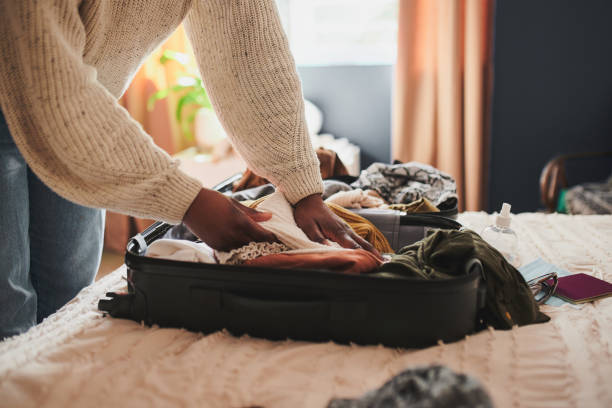
    Moving to a new place is thrilling, but the mere thought of packing can dampen the excitement. With clothing being one of the most substantial items to pack, knowing the art of efficiently packing your clothes becomes essential. Whether you’re making a cross-country move or relocating within the same city, preserving the condition of your clothes is of utmost importance.

    Adam Moving understands these concerns, and as experts in the field, we present to you a comprehensive guide. Dive in to discover the best techniques, tips, and tricks on how to pack clothes for moving. Let’s ensure that your clothes reach your new abode in the same pristine condition they left your old one!

    How to Pack Clothes for Moving?

    how to pack clothes for moving, transport hanging clothes

    When packing clothes for moving, start by decluttering and donating or discarding items you no longer wear. Use a combination of rolling and folding techniques, reserving rolling for casual wear and jeans and folding for formal wear.

    Delicate items like lingerie and silk should be wrapped in tissue paper and stored in hard boxes. Use wardrobe boxes for suits and dresses to keep them wrinkle-free. Bulky items like jackets and sweaters should be folded flat. Children’s clothes can be organized by outfits in separate bags.

    Always prioritize and pack off-season or rarely worn clothes first, leaving daily wear for the last. Additionally, make efficient use of labeling for easy unpacking and consider investing in specialized packing kits for added convenience.

    Essential Supplies Required for Packing Clothes

    cardboard boxes, carry valuable clothing items, packing cubes

    Packing clothes may seem straightforward, but the right packing supplies can make the difference between a wrinkle-free arrival and damaged attire. Let’s explore the tools and supplies that guarantee a smooth transition in your wardrobe.

    1. Wardrobe Boxes and Their Uses

    Wardrobe boxes, perfect for transporting hanging clothes, stand as the premier choice for many movers. Why? They come equipped with a hanging rod for your hanging clothes, replicating a small, mobile closet. This design is intentional, ensuring that your dresses, suits, and other hangable attire travel in their natural state, free from wrinkles and folds.

    Furthermore, the robust structure of wardrobe boxes provides an added layer of protection against external pressures, keeping your prized garments in pristine condition.

    For those with a collection of designer or tailored clothing, wardrobe boxes are a non-negotiable. Their design prevents the garment from touching the sides, eliminating any chance of wear or damage during transit.

    2. Vacuum Sealed Bags: Why They’re Beneficial

    Space is often a constraint when moving. Vacuum-sealed bags offer a solution to this problem. By compressing the clothes and removing any trapped air, these bags minimize the volume of your clothes, allowing you to pack more in less space.

    But it’s not just about spatial efficiency. These bags provide a seal against external elements. Dust, moisture, or pests – nothing can penetrate this shield, ensuring your clothes remain fresh and clean.

    In addition to space-saving, vacuum-sealed bags play a pivotal role in seasonal storage. If you’re moving to a location with different weather or simply want to store off-season clothes, these bags are your best bet. They preserve the fabric’s integrity and freshness until you’re ready to wear them again.

    3. The Right Way to Use Garbage Bags for Clothes

    While not a professional mover’s first choice, trash bags can serve a purpose. Especially when you’re in a pinch or on a tight budget. To pack hanging clothes effectively using garbage bags, make a small hole at the sealed end for hangers, turning the bag into a makeshift garment protector.

    For smaller items, drawstring trash bags can be particularly useful. This technique is particularly useful for short-distance moves where the risk of damage is minimal.

    However, caution is advised. Garbage bags don’t provide the sturdiness or protection of specialized moving materials. They’re susceptible to tears, and sharp objects can easily pierce them. When using garbage bags, always handle them with care and avoid overloading them.

    4. Labeling Materials: Tags, Markers, and Stickers

    In the frenzy of moving, organization is the key to sanity. Labeling your packed clothes ensures that you know where everything is, streamlining the unpacking process. Using tags, markers, or colored stickers helps differentiate between boxes, allowing for systematic unpacking.

    Besides the practical aspect of finding things easily, labeling provides an added advantage. If you’ve hired movers, labels can guide them on how to handle each box. Marking boxes with fragile items or ones that need to remain upright ensures that there’s an extra layer of care during transport.

    5. Tissue Paper and Plastic Wraps for Delicate Clothes

    Certain clothes require extra love. Delicate fabrics, beaded dresses, or those heirloom pieces passed down through generations need more than just a box. Wrapping them in tissue paper or plastic wraps provides an extra buffer against friction, moisture, and potential snags.

    Beyond the protective barrier, packing paper acts as a cushion, absorbing any shocks or impacts during the move. Meanwhile, plastic wraps shield garments from accidental spills or splashes, a boon, especially if you’re moving during rainy weather.

    6. Importance of Quality Packing Tape

    The box’s strength is only as good as the tape that seals it. Investing in quality packing tape ensures that your boxes remain shut and the contents inside remain safe. It’s more resistant to temperature fluctuations and holds up against the wear and tear of moving.

    Quality packing tape also ensures longevity. If you’re storing clothes for an extended period, you want the assurance that the seal will not give way, exposing your clothes to dust or pests. A few extra dollars spent on good tape can save you the heartache of damaged belongings later.

    7. Suitcases and Duffel Bags: When to Use Them

    Not every piece of clothing, especially non-hanging clothes, needs a cardboard box. Sometimes, suitcases and duffel bags are more appropriate. These are perfect for your day-to-day clothes, offering easy accessibility. Since these bags are designed for travel, they’re built to protect their contents. Their rigid structure and secure zippers ensure clothes remain untouched by external elements.

    Moreover, using suitcases and duffel bags optimizes resources. Why buy extra boxes when you can use what you already have? Just remember to balance the weight, making them easy to carry and reducing the risk of wear on the bag.

    8. Drawstring Bags for Small Clothing Items

    Undergarments, socks, ties, and other small items can easily get lost in the chaos of moving. Drawstring bags are perfect for these tiny essentials. They’re easy to open and close, provide visibility to the contents, and can be packed snugly between bigger items, ensuring optimal use of space.

    Additionally, these bags offer compartmentalization. By separating items category-wise, the unpacking process becomes organized and hassle-free. No more rummaging through large boxes searching for a pair of socks!

    9. Storing Footwear: Shoe Boxes and Alternatives

    Footwear demands its own set of packing rules. Shoes can be bulky, misshapen, and easily damaged. Using their original boxes is the best approach. However, if that’s not an option, wrapping them in bubble wrap or placing them in specialized shoe containers can work wonders.

    For those precious pairs, consider stuffing them with newspaper or tissue. This retains their shape and prevents creases. Always remember to pack heavier shoes at the bottom and lighter, more delicate ones at the top to avoid damage.

    Read More: Essential Factors to Consider When Moving to Hollywood from Fort Lauderdale

    Step-by-step Guide to Packing Different Types of Clothes

    folded clothes, military rolling method, transport clothes

    Moving requires a strategic approach, especially when it comes to clothes. Different garments have distinct packing needs. This guide dives deep into packing various clothing types effectively.

    Step 1: Daily Wear: T-shirts, Jeans, and Casuals

    Our everyday non-hanging clothes, though sturdy, still deserve care while packing. To maximize space, fold t-shirts uniformly. For jeans, line them up by the waistband and roll down to the hem, ensuring a compact fit. Casual wear, like shorts and skirts, should be stacked by material type, giving a neat arrangement.

    Packing casual clothes in separate boxes or compartments can also prove helpful. This ensures easy access after moving, reducing the chaos as you settle in.

    Step 2: Handling Delicate Items: Lingerie and Silk Wear

    Delicate fabrics require meticulous handling. Items like lingerie or silk garments can snag easily. Wrap them individually in tissue paper, creating a protective layer. For bras, stack the cup into cups and fold the straps inward.

    Store these delicate items in hard boxes or cases to prevent compression. This retains the item’s shape and ensures no damage during the move.

    Step 3: Packing Suits and Dresses: Keeping Them Wrinkle-free

    Maintaining the pristine condition of suits and dresses is paramount. Use a wardrobe box for these garments, which is specifically designed to pack hanging clothes securely. The hanging rod inside allows clothes to hang naturally. If wardrobe boxes aren’t available, fold them inside-out, reducing visible wrinkles.

    Another trick is to use plastic garment bags, offering a protective layer against dirt and moisture. These bags also prevent friction between clothes, ensuring wrinkle-free transport.

    Step 4: Packing Bulky Items: Sweaters and Jackets

    Bulky items can be challenging due to their volume. The trick is to fold them as flat as possible, expelling any air. For sweaters, fold the sleeves behind the back and fold in half. For jackets, it’s best to zip them up, lay flat, and fold with arms tucked in.

    Remember, these items can be heavy. Avoid overpacking boxes. Instead, distribute the weight evenly among various containers.

    Step 5: Handling Children’s Clothing

    Kids’ clothes, though smaller, come with their own set of challenges. Given their size, they can slip or get lost easily. Organize them by category, and if possible, pack each day’s outfit in separate plastic bags.

    For school uniforms or special occasion wear, treat them with the same care as adult formal wear, ensuring they remain ready to wear upon arrival.

    Step 6: Organizing and Packing Undergarments

    Undergarments, though small, play a vital role in our wardrobe. Separate them from other clothing types. Using mesh or fabric organizers can be helpful. Roll them for maximum space usage and to prevent them from tangling.

    Packing them in separate compartments or drawstring bags can also ensure easy access and prevent misplacement during the move.

    Step 7: The Trick With Shoes and Footwear

    Footwear can be both bulky and delicate. Clean shoes before packing, then stuff them with paper or socks to retain shape. Place them in their original boxes or wrap in bubble wrap, especially for high heels or designer shoes. Remember to segregate by type: casual, formal, workout, etc. This systematic approach aids in efficient unpacking.

    Step 8: Accessories: Hats, Scarves, and Ties

    Accessories and non-hanging clothes often get overlooked, but they can get damaged if not packed correctly. For hats, stuff the crown with tissue paper and store them in boxes, ensuring they don’t get crushed. Scarves and ties can be rolled, preventing wrinkles. For smaller accessories like belts or fashion jewelry, use pouches or zip-lock bags. This way, they remain organized and tangle-free.

    Step 9: Gym Wear and Specialized Clothing

    Activewear, due to its fabric type, is best rolled. This maximizes space and reduces wrinkles. For specialized equipment or clothing, like swimsuits or ski wear, pack them in separate bags or compartments. Such segregation ensures that you can easily find and use them as per your active schedule after the move.

    Step 10: Storing Seasonal Clothing: Winter and Summer

    Seasonal clothes, especially those not in use, should be vacuum-sealed. This saves space and protects them from external elements. Before sealing, ensure they’re clean and dry. Label these bags or boxes by season, making it easier when the time comes to swap out wardrobes.

    Read More: Transitioning from Fort Lauderdale to Sunrise: Key Points to Remember

    Expert Tips for Efficient Packing

    packing folded clothing, plastic shoe boxes

    Packing efficiently means fewer boxes, less hassle, and a smoother transition. Here are some expert tips to elevate your packing game.

    1. The Art of Rolling Vs. Folding

    Rolling is space-efficient and reduces wrinkles, ideal for casual wear, gym clothes, and jeans. Folding, however, provides structure and is best for formal wear or clothes that can easily lose shape.

    Choosing between the two is essential. Mix and match based on garment type, ensuring each item gets the care it deserves.

    2. The Layering Technique for Fragile Items

    For fragile items or those prone to damage, consider the layering technique. Place a soft layer, like tissue paper, between items. This provides cushioning and reduces friction.

    This method is particularly effective for sequined clothing or garments with embellishments, ensuring they arrive in top condition.

    3. Using Existing Storage: Drawers and Baskets

    Utilize what you already have. Drawers can act as makeshift packing containers. Secure contents with plastic wrap, ensuring items don’t move in transit.

    Similarly, baskets or bins can house clothes, especially those you’ll need immediately upon moving, such as nightwear or the next day’s outfit.

    4. Prioritizing Clothes: What to Pack First

    Always start with off-season or rarely-worn clothes. This ensures that your day-to-day wardrobe remains accessible until the last moment. As moving day approaches, you can then pack your frequently worn items.

    This systematic approach reduces stress and keeps essential items within arm’s reach.

    5. Dealing With Last-minute Packing

    Inevitably, some items will be left for the eleventh hour. For these, have a separate bag or box labeled ‘last-minute’. This can include outfits you plan to wear on moving day or immediate essentials.

    Having a dedicated space for these ensures they aren’t haphazardly thrown in at the last moment and remain organized.

    6. The Benefit of Decluttering Before Moving

    Before packing, evaluate your wardrobe. Donate or discard items you no longer wear. This reduces the volume of items to pack and can even cut down on moving costs.

    It’s also emotionally refreshing, starting anew without the baggage (literal and metaphorical) of unwanted clothes.

    7. Making Use of Old Blankets and Linens

    Old blankets, towels, or linens can act as protective layers. Wrap them around delicate items or use them as base layers in boxes, providing cushioning.

    Not only is this a sustainable way of packing, but it also provides added protection to your garments.

    8. Packing Kits and How to Use Them

    Consider investing in packing kits. These come with segregated boxes, tissue papers, markers, and even wardrobe boxes. They’re designed for efficiency and ensure that clothes remain undamaged.

    Following the instructions in these kits can simplify the packing process, making it more structured and systematic.

    9. Efficient Labeling Strategies

    Labeling is the key to unpacking. Use colored stickers or markers to categorize boxes by room or clothing type. This makes the unpacking process streamlined and efficient.

    Consider listing the major items in each box on the outside. This way, you know exactly where everything is, reducing the chaos of settling in.

    Why Choose Adam Moving for Your Next Relocation?

    Moving can be a hassle, but with Adam Moving by your side, it becomes a seamless experience. As specialists in the relocation industry, our primary goal is to ensure that your move is stress-free. Below, we break down what sets us apart:

    1. Unparalleled Experience

    At Adam Moving, our years in the business have equipped us with invaluable expertise.

    • Time-tested methods: Over the years, we’ve honed our strategies, ensuring each move is efficient.
    • Trained personnel: Our team comprises seasoned professionals dedicated to ensuring the safe transition of your belongings.

    2. Comprehensive Services

    We pride ourselves on being a one-stop solution for all your moving needs.

    • Packing expertise: From clothes to fragile items, our team is trained in packing everything securely.
    • Storage solutions: Need a place to store your belongings temporarily? We’ve got you covered.
    • Specialty moves: Be it pianos or artwork, we’re equipped to handle all specialty items.

    3. Customer-centric Approach

    Your satisfaction is our top priority.

    • Tailored solutions: We recognize that every move is unique, so we offer tailored solutions to meet individual needs.
    • Open communication: From start to finish, we ensure transparent communication to keep you informed every step of the way.
    • Feedback-driven: We continually improve our services based on customer feedback.

    4. Advanced Moving Equipment

    Our investment in cutting-edge equipment ensures your move is smooth.

    • State-of-the-art trucks: Designed for safe and efficient transportation.
    • Specialized packing materials: From wardrobe boxes to vacuum-sealed bags, we use only the best.

    5. Competitive Pricing

    High-quality service doesn’t have to break the bank.

    • Transparent pricing: No hidden fees or surprise costs.
    • Customizable packages: Choose from a range of services to fit your budget.
    • Free estimates: Get an upfront cost for your move without any obligations.

    6. Trustworthy and Reliable

    Our reputation speaks volumes.

    • Consistent positive reviews: Our happy customers often share their positive experiences online.
    • Licensed and insured: For your peace of mind, we are fully licensed and insured.
    • On-time guarantee: We understand the importance of punctuality and strive to always be on time.

    When you choose Adam Moving, you’re not just hiring a moving company. You’re partnering with professionals who treat your belongings with the utmost care. Let’s make your next move a memorable one.

    Conclusion

    Packing clothes for a move can initially seem daunting, especially when you consider the different types of clothing and their specific packing needs. However, with the right knowledge, tools, and techniques in hand, this process can be both efficient and effective.

    Remember, the key to a smooth move isn’t just about packing; it’s about ensuring everything is organized, labeled, and protected, so unpacking in your new home is a breeze. If the process seems overwhelming, remember that professionals like Adam Moving are always here to lend a hand, ensuring your move is seamless and stress-free.

    Thinking of relocating soon? Reach out to Adam Moving. With our expertise, we promise a move that’s smooth, efficient, and tailored to your unique needs.

    FAQs

    What’s the best way to pack delicate clothing items like silk or lingerie?

    It’s best to use tissue paper or plastic wrap for delicate items. Fold them neatly, wrap them in the protective layer, and place them in specially labeled boxes or compartments.

    Should I empty dresser drawers when moving?

    Not necessarily. If the dresser is sturdy and not too heavy, you can move it with clothes inside. However, using existing storage like drawers can be beneficial. Simply secure the drawers to prevent them from opening during the move.

    Is rolling better than folding clothes when packing for a move?

    Both methods have their merits. Rolling can save space and often reduces wrinkles. However, some items, especially those that are bulkier, may be better off folded. It’s essential to assess the type of clothing and the available space.

    How do I pack shoes without damaging them or other items?

    Use shoe boxes or wrap each shoe individually in bubble wrap or paper. It’s also recommended to fill the shoes with paper to retain their shape. Always ensure that shoes are clean before packing.

    Can I use garbage bags for packing clothes?

    While not the most secure or efficient method, garbage bags can be used for packing certain clothes, especially for a short-distance move. Ensure the bags are sturdy, and avoid overpacking them to prevent tearing.

  • Find Out How To Pack Dishes For Moving

    Find Out How To Pack Dishes For Moving

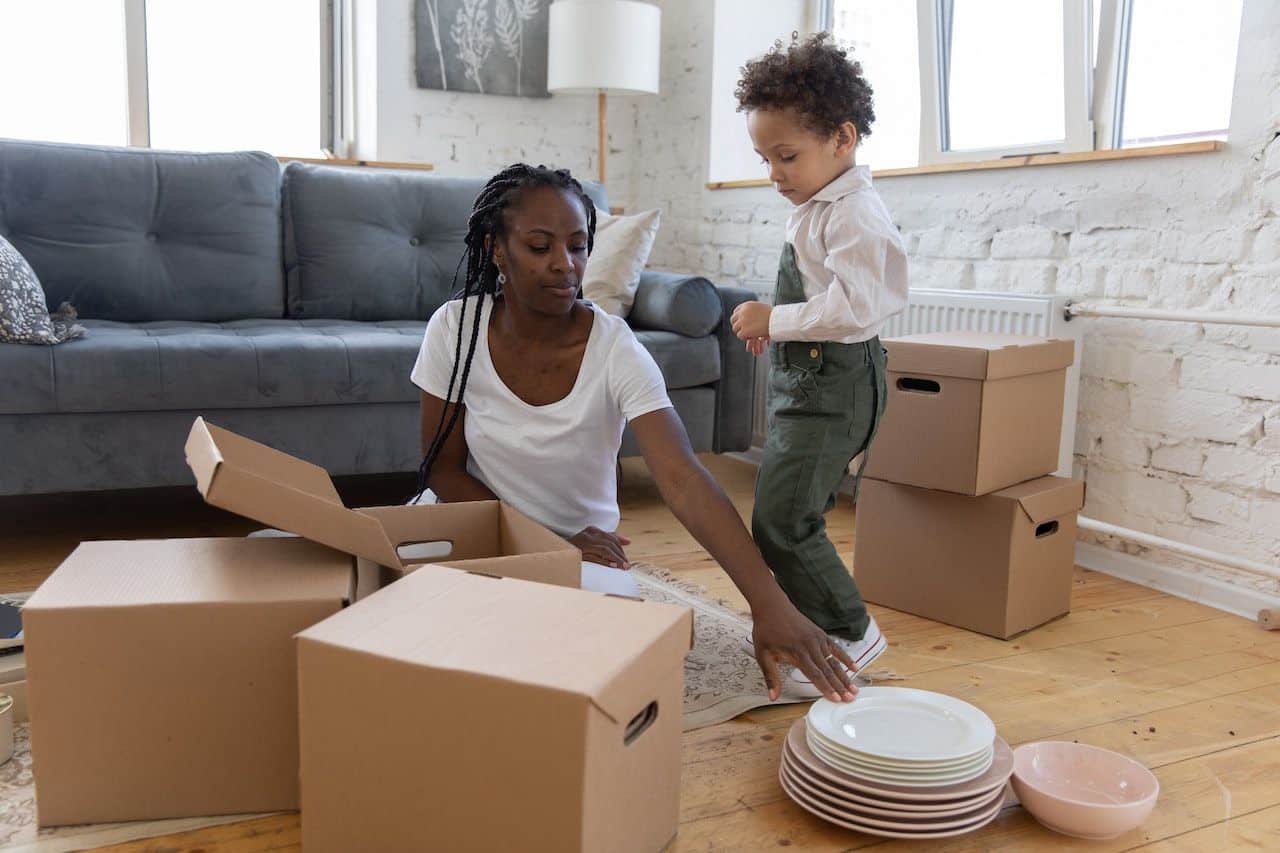
    Moving can be an exhilarating experience, marking the beginning of a new chapter in one’s life. However, the process of packing, especially fragile items like dishes, can be daunting. With the countless memories attached to our dinnerware, ensuring their safe transition becomes paramount.

    At Adam Moving, we understand the intricacies involved in packing dishes for a move. This guide aims to provide comprehensive insights into packing dishes efficiently, ensuring they reach your new home intact. Dive in to discover expert tips and techniques that will make your moving experience smoother.

    How to Pack Dishes for Moving?

    how to pack dishes for moving, crumpled packing paper, dish box

    To pack dishes for moving, start by gathering necessary packing materials such as dish boxes, bubble wrap, packing paper, tape, and markers. Sort and categorize your dishes, then wrap each item individually with bubble wrap or packing paper.

    Use dish boxes with dividers for added protection, and place heavier items at the bottom. Fill any empty spaces in the boxes with packing materials to prevent shifting. Seal and label each box, indicating the contents and the room it belongs to.

    When loading boxes into the moving truck, place heavier boxes at the bottom and avoid stacking them too high. Once you arrive at your new home, unpack your dishes carefully, remove the packing materials gently, and organize them in their designated cabinets or shelves.

    Understanding the Importance of Proper Packing

    pack cups, enough packing paper, packing peanuts

    Every dish tells a story, and ensuring its safety during a move is crucial. Let’s delve into why proper packing is non-negotiable.

    1. Why Dishes Are Prone to Damage

    Dishes, with their delicate structure, are susceptible to cracks and breaks. Their fragility is often underestimated, leading to hasty packing and subsequent damage. Proper cushioning and careful handling are paramount to prevent any mishaps.

    The journey of moving is fraught with bumps and jolts. Without adequate protection, these seemingly minor disturbances can result in shattered memories and broken heirlooms.

    2. The Cost of Replacing Broken Dishes

    Beyond the monetary value, dishes often hold sentimental worth. Replacing a broken dish might replenish your dinnerware set, but the memories associated with it are irreplaceable. Investing time in proper packing can save both money and heartache.

    Insurance might cover the financial loss, but the emotional void left by a cherished item remains. It’s a reminder that some things, once lost, can never truly be replaced.

    3. Emotional Value Attached to Dinnerware

    From grandma’s china to the plate from your first date, dishes are more than just utensils. They’re silent witnesses to countless memories, celebrations, and milestones. Ensuring their safety is preserving a piece of personal history.

    Each dish, be it an ornate platter or a simple mug, carries a story. They’ve been part of celebrations, quiet mornings, and everything in between. Their value transcends their utility, making their preservation crucial.

    4. Purging Items You Don’t Need

    Before embarking on the packing journey, it’s essential to declutter. Holding onto items that no longer serve a purpose only adds to the moving burden. A discerning eye can help lighten the load and make the process more efficient.

    A move is an opportunity for a fresh start. By letting go of redundant items, you not only make packing easier but also ensure that your new space is filled only with things that truly matter.

    5. Taking Inventory of Your Dishes

    Documenting your dishes ensures that nothing goes amiss during the move. A detailed inventory, complemented by photographs, can be a lifesaver, especially when dealing with insurance claims or tracking misplaced items.

    An inventory is more than just a list; it’s a security blanket. Knowing exactly what you’ve packed provides peace of mind and ensures that everything finds its way to your new home.

    Read More: Transitioning from Fort Lauderdale to Sunrise: Key Points to Remember

    Preparation Before Packing

    more packing paper, two or three sheets

    Before diving into the packing process, some groundwork can set the stage for a smoother experience. From insurance considerations to gathering supplies, every step is crucial.

    1. Confirming Insurance Options for Fragile Items

    Insurance is a safety net for your cherished items. Understanding your coverage options can make the difference between a minor hiccup and a significant setback during your move.

    While all licensed moving companies offer basic protection, sometimes it’s worth considering additional coverage. This ensures that even if the unthinkable happens, you’re not left picking up the pieces, both literally and figuratively.

    2. Setting Aside Essential Dishes for Immediate Use

    The days leading up to the move can be chaotic. By setting aside a few plates and other essential dishes, you ensure that your daily routine remains uninterrupted, even amidst the packing frenzy.

    Paper plates might be a temporary solution, but having a set of your favorite dishes at hand can provide a semblance of normalcy. It’s a small step that can make the transition smoother.

    3. Gathering the Right Moving Supplies

    The right tools can make all the difference. Investing in quality moving supplies ensures that your dishes get the protection they deserve during the move.

    From sturdy boxes to bubble wrap, each packing material plays a pivotal role. Skimping on quality might seem cost-effective initially, but the potential damage can far outweigh the initial savings.

    4. Assembling Boxes

    A well-assembled box is the first line of defense for your dishes. Ensuring that they’re sturdy and damage-free can significantly reduce the risk of breakage.

    A damaged box is a ticking time bomb. By ensuring that each box is in prime condition, you’re taking a proactive step toward safeguarding your dishes.

    5. Using Partition Kits

    Partition kits are unsung heroes in the packing process. By keeping dishes separate and preventing movement, they play a crucial role in ensuring the safety of each item.

    While it might seem like an added expense, partition kits are invaluable. Their structured design offers unparalleled protection, making them a must-have for any move.

    Read More: Packing and unpacking services Fort Lauderdale

    Essential Packing Materials

    moving boxes, box label

    The right packing materials are the backbone of a successful move. Let’s explore the essentials that guarantee the safety of your dishes.

    1. Dish Boxes

    Specifically designed for dinnerware, dish boxes offer enhanced protection. Their robust structure and added cushioning make them ideal for transporting fragile items.

    Unlike generic boxes, dish boxes are tailored to the unique challenges posed by dinnerware. Their reinforced walls and snug fit ensure that each dish remains secure throughout the journey.

    2. Bubble Wrap

    Bubble wrap is the ultimate protective layer. Its cushioning effect absorbs shocks, ensuring that your dishes remain unscathed, no matter the bumps along the way.

    While it might be tempting to use newspapers or other alternatives, bubble wrap’s superior protection is unmatched. It’s a small investment that can prevent significant losses.

    3. Medium-sized Boxes

    For items that don’t fit into dish boxes, medium-sized boxes come to the rescue. Their versatile size makes them ideal for a range of kitchen items, from pots and pans to small appliances.

    The key lies in not overloading them. By ensuring that each box remains manageable, you reduce the risk of damage during transit.

    4. Packing Tape

    A box is only as secure as its seal. High-quality packing tape ensures that once closed, your boxes remain shut, protecting the treasures within.

    Cheap tape can come undone, exposing your dishes to potential harm. Investing in quality tape is a small step that can have a significant impact.

    5. Labels and Markers

    Organization is the key to a successful move. Clearly labeled boxes ensure that each item finds its way to the right room in your new home.

    Beyond guiding movers, labels also help you unpack. By knowing the contents of each box, you can prioritize and streamline the settling-in process.

    Step-by-step Guide to Packing Dishes

    box vertically, excess paper

    Packing dishes for a move requires a methodical approach. By following a structured process, you can ensure the safety of each item. Here’s a step-by-step guide to help you pack your dishes efficiently and securely.

    1. Gather Necessary Packing Materials

    Before you start packing, it’s essential to gather all the necessary packing supplies, including sturdy cardboard boxes. This includes dish boxes, bubble wrap, packing paper, packing tape, and markers for labeling. Having everything at hand streamlines the process and ensures that you’re not scrambling for materials midway.

    A well-organized packing station can significantly speed up the process. By having everything within arm’s reach, you can pack efficiently and effectively.

    2. Sort and Categorize Your Dishes

    Start by sorting and categorizing your dishes and glasses. Separate plates, bowls, glasses, and other items. This will make it easier to pack similar items together in the same box and ensure that each item gets the protection it needs.

    By categorizing your dishes, you can also determine the appropriate packing materials for each type of item. This step will help you pack more efficiently and reduce the risk of damage during transit.

    3. Wrap Each Dish Individually

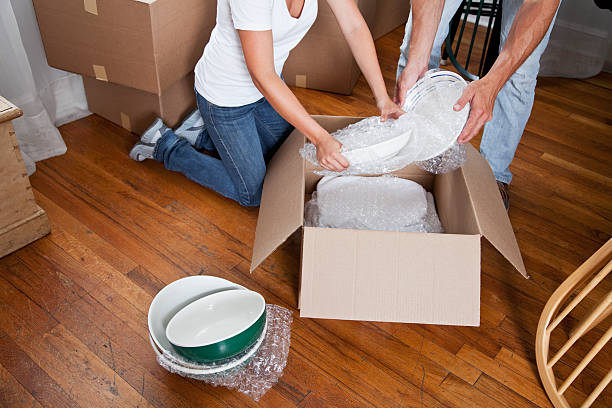
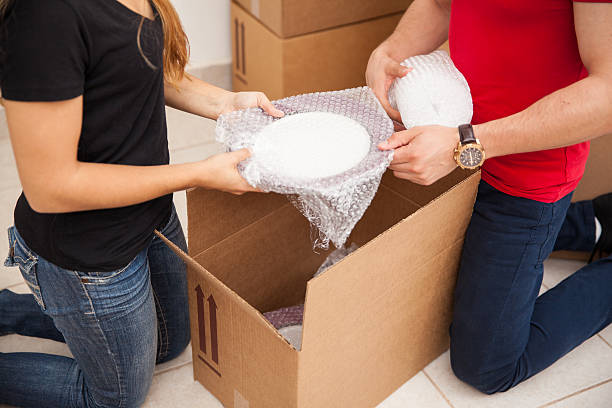
    Each dish, especially packing plates, deserves individual attention. Wrap each plate, bowl, glass, and cup separately, paying special attention when you pack glasses using bubble wrap or wrapping paper. Secure the wrapping with packing tape to ensure it stays in place and the item is completely covered.

    Wrapping each dish, including wine glasses, individually provides an extra layer of protection against scratches, chips, and breaks. It also prevents items from rubbing against each other during transit, reducing the risk of damage.

    4. Use Dish Boxes for Added Protection

    Dish boxes, also known as dish packs, are specifically designed to protect fragile items like dishes. They come with dividers that keep items separated and prevent them from shifting during transit. Place your wrapped dishes in these boxes, ensuring that heavier items are at the bottom and lighter items are on top.

    Dish boxes provide an added layer of protection for your dishes. Their sturdy construction and dividers help prevent damage during transit, ensuring that your dishes arrive at your new home in one piece.

    5. Fill Empty Spaces With Packing Materials

    Empty spaces within boxes can cause dishes to shift during transit. Fill any gaps with crumpled paper, bubble wrap, or foam peanuts. This will help keep your dishes secure and prevent them from moving around inside the box.

    Filling empty spaces is crucial for preventing damage during transit. It ensures that your dishes remain in place and reduces the risk of breakage.

    6. Seal and Label Each Box

    Once your dishes are packed, seal each box securely with packing tape. Make sure the tape covers all seams and edges to prevent the box from opening during transit.

    Label each box with its contents and the room it belongs to. This will make it easier to unpack and organize your dishes in your new home. You can also add “Fragile” and “This Side Up” labels to alert movers to handle the boxes with care.

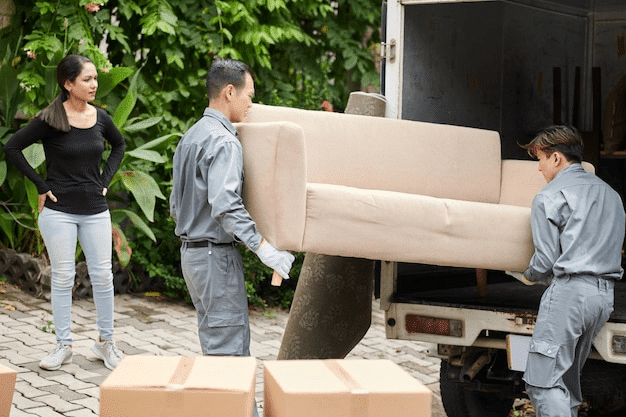
    7. Load Boxes Carefully Into the Moving Truck

    When loading boxes into the moving truck, place heavier boxes at the bottom and lighter ones on top. Avoid stacking boxes too high, as this can cause them to topple over during transit. Keep dish boxes away from heavy or bulky items that could crush them.

    Loading boxes carefully into the moving truck is essential for preventing damage during transit. By placing heavier boxes at the bottom and avoiding stacking them too high, you can reduce the risk of breakage.

    8. Unpack With Care

    Once you arrive at your new home, unpack your dishes with care. Remove the packing materials gently and check each item for damage. As you unpack, organize your dishes in their designated cabinets or shelves.

    Unpacking with care is crucial for preventing damage to your dishes. By removing packing materials gently and organizing your dishes as you unpack, you can ensure that your cherished items remain intact and ready to use in your new home.

    Read More: Essential Tips for Moving from Fort Lauderdale to Hallandale Beach

    Why Choose Adam Moving for a Stress-free Move?

    At Adam Moving, we understand the challenges of relocating and the importance of ensuring the safety of your cherished belongings. Our team of skilled professionals is dedicated to providing you with a seamless and stress-free moving experience.

    Comprehensive Packing Services

    Our packing services are designed to meet your unique needs. Whether you need assistance with packing your entire home or just a few fragile items, we’ve got you covered. Our team of experienced packers will carefully wrap and pack your dishes and other belongings, using high-quality packing materials to ensure their safety during transit.

    • Customized Packing Plans: We work with you to create a customized packing plan that suits your specific needs and budget.
    • Expert Packing Techniques: Our team uses proven packing techniques to ensure the safety of your dishes and other fragile items.
    • High-quality Packing Materials: We use only the best packing materials, including dish boxes, bubble wrap, and packing paper, to provide maximum protection for your belongings.

    Reliable Moving Services

    Our moving services are designed to make your relocation as smooth and hassle-free as possible. From local moves to long-distance relocations, we have the expertise and resources to handle all your moving needs.

    • Experienced Movers: Our team of professional movers has the experience and training to handle all types of moves, ensuring the safe and efficient transport of your belongings.
    • State-of-the-art Moving Trucks: Our fleet of modern moving trucks is equipped with the latest technology and features to provide a smooth and secure ride for your dishes and other belongings.
    • Flexible Scheduling: We offer flexible scheduling options to accommodate your busy lifestyle and ensure a seamless moving experience.

    Unmatched Customer Service

    At Adam Moving, we pride ourselves on providing exceptional customer service. Our team is committed to exceeding your expectations and ensuring your complete satisfaction.

    • Personalized Attention: We take the time to understand your unique needs and provide personalized attention throughout the moving process.
    • Transparent Pricing: We offer transparent pricing with no hidden fees or surprises, so you know exactly what to expect.
    • 24/7 Support: Our customer support team is available 24/7 to answer any questions or concerns you may have.

    Conclusion

    Moving can be a stressful and overwhelming experience, but with the right partner by your side, it doesn’t have to be. At Adam Moving, we are committed to providing you with a seamless and stress-free moving experience.

    Our team of skilled professionals will handle all the details, from packing your dishes and other belongings to safely transporting them to your new home. With our comprehensive packing and moving services, you can focus on the excitement of starting a new chapter in your life.

    Ready to make your move a breeze? Contact Adam Moving today, and let us take the stress out of your relocation.

    FAQs

    How do I pack dishes for moving without breaking them?

    To pack dishes without breaking them, wrap each item individually with bubble wrap or packing paper. Use dish boxes with dividers for added protection, and place heavier items at the bottom. Fill any empty spaces in the boxes with packing materials to prevent shifting. Seal and label each box, and load them carefully into the moving truck.

    What is the best way to pack fragile items for moving?

    The best way to pack fragile items is to wrap each item individually with bubble wrap or packing paper. Use boxes specifically designed for fragile items, such as dish boxes with dividers. Fill any empty spaces in the boxes with packing materials to prevent shifting. Seal and label each box, and load them carefully into the moving truck.

    Can I use newspaper to pack dishes for moving?

    While a newspaper can be used as a packing material, it is not recommended for dishes and other fragile items. Newspaper ink can transfer onto dishes, and it does not provide the same level of cushioning as bubble wrap or packing paper. For maximum protection, use high-quality packing materials.

    How do I label boxes for moving?

    Label each box with its contents and the room it belongs to. You can also add “Fragile” and “This Side Up” labels to alert movers to handle the boxes with care. Use a permanent marker or printed labels for clear and legible labeling.

    Should I hire professional packers for my move?

    Hiring professional packers can save you time and effort and ensure the safety of your dishes and other belongings. Professional packers have the experience and training to pack your items securely and efficiently. If you have a lot of fragile items or are short on time, hiring professional packers can be a wise investment.

  • Get The Best Tips: Moving From Fort Lauderdale To Dania Beach

    Get The Best Tips: Moving From Fort Lauderdale To Dania Beach

    Are you planning a move from the bustling city of Fort Lauderdale to the serene shores of Dania Beach? If so, you’re in for a treat! But, as with any relocation, there are challenges and considerations to keep in mind.

    Whether it’s the logistics of the move, understanding the differences between the two cities, or simply finding the best moving company to assist you, there’s a lot to think about. That’s where we come in. At Adam Moving, we’ve helped countless individuals and businesses make this exact transition smoothly and efficiently.

    In this comprehensive guide, we’ll share our insider tips, tricks, and insights to ensure your move is as stress-free as possible. So, whether you’re a seasoned mover or this is your first big relocation, read on to find out everything you need to know about moving from Fort Lauderdale to Dania Beach.

    Understanding the Basics of Your Move

    moving from fort lauderdale to dania beach, long distance movers

    Before you start packing your bags, it’s essential to understand the basics of your move. This section will cover the reasons for moving, the distance and duration of the move, the best time to move, a pre-move checklist, and the costs associated with the move.

    1. Why Move From Fort Lauderdale to Dania Beach?

    There are many reasons why you might consider moving from Fort Lauderdale to Dania Beach. Perhaps you’re looking for a change of scenery, a quieter neighborhood, or a place with a slower pace of life. Dania Beach offers a serene environment with beautiful beaches and a laid-back lifestyle.

    Another reason for moving could be the cost of living and the opportunity to work with professional moving companies in the South Florida area. Dania Beach is generally more affordable than Fort Lauderdale, making it an attractive option for those looking to save money.

    Additionally, Dania Beach is close to Fort Lauderdale, so you can still enjoy the amenities and attractions of the city without the hustle and bustle.

    2. Distance and Duration: What to Expect

    The distance between Fort Lauderdale and Dania Beach is approximately 5 miles, making it a relatively short move. However, the duration of the move can vary depending on several factors, including traffic conditions, the size of your household, and the efficiency of your moving company.

    It’s essential to plan your move well in advance to avoid any last-minute rush, especially if you’re considering a long-distance move. Make sure to schedule your move on a day when traffic is likely to be lighter, such as a weekday or early in the morning. This will help reduce the duration of your move and make the process more manageable.

    3. Best Time of Year to Make the Move

    The best time of year to move from Fort Lauderdale to Dania Beach depends on your preferences and circumstances. If you prefer warm weather, consider moving during the spring or fall when temperatures are more moderate. However, if you’re looking to save money, consider moving during the off-peak season, which is typically during the winter months.

    Keep in mind that moving during the rainy season can be challenging, as it can cause delays and make the process more cumbersome. It’s essential to check the weather forecast and plan your move accordingly. Additionally, consider any personal factors, such as work or school schedules, that may impact the timing of your move.

    4. Pre-move Checklist: Things to Consider

    Before you start packing, it’s essential to create a pre-move checklist to ensure you don’t forget anything important. This checklist should include tasks such as notifying your current and future utility providers, updating your address with the post office, and scheduling a moving company.

    Your pre-move checklist should also include tasks such as decluttering your home, packing your belongings with the help of professional movers, and creating an inventory of your items. This will help you stay organized and ensure that nothing gets left behind. Additionally, consider any special requirements or needs you may have, such as moving pets or fragile items, and plan accordingly.

    5. Costs Associated With the Move

    The costs associated with moving from Fort Lauderdale to Dania Beach can vary depending on several factors, including the size of your household, the distance of the move, and the services you require. It’s essential to create a budget for your move and consider all the expenses involved.

    Some of the costs to consider include hiring a moving company in the Fort Lauderdale area, purchasing packing materials, and any additional services you may require, such as storage solutions or unpacking. Additionally, consider any unexpected expenses that may arise, such as repairs or replacements for damaged items. It’s essential to plan for these costs and have some extra funds set aside for emergencies.

    Packing and Preparing: Tips and Tricks

    storage company, wonderful job

    Packing and preparing for your move can be a daunting task. In this section, we’ll provide you with tips and tricks to make the process more manageable. We’ll cover categorizing and organizing your belongings, essential packing materials, packing fragile items, decluttering, and labeling and inventory.

    1. Categorizing and Organizing Your Belongings

    Before you start packing, it’s essential to categorize and organize your belongings. This will make the packing process more efficient and help you keep track of your items. Start by sorting your belongings by room or function, depending on your preference.

    Once you’ve categorized your items, create a packing plan. Decide which items you’ll pack first and which ones you’ll pack last. This will help you stay organized and ensure that you have everything you need on hand during the move.

    2. Essential Packing Materials and Where to Find Them

    Having the right packing materials is crucial for a successful move. You’ll need boxes, tape, bubble wrap, packing paper, and other supplies to protect your belongings during transit. Make sure to choose high-quality materials that can withstand the rigors of moving.

    You can find packing materials at local moving supply stores, online retailers, or even at your moving company, especially if you’re looking for tailored services in the South Florida area. Adam Moving offers a wide range of packing materials to meet your specific needs. We can provide you with everything you need to ensure your belongings are packed safely and securely.

    3. Fragile Items: How to Pack Them Safely

    Packing fragile items can be challenging, as they are more susceptible to damage during transit, especially during a long-distance move. It’s essential to take extra care when packing these items to ensure they arrive at your new location in one piece. Start by wrapping each item in bubble wrap or packing paper to provide cushioning.

    Once your fragile items are wrapped, place them in a sturdy box with plenty of padding. Make sure to label the box as “fragile” and indicate which side should face up. This will help your movers handle the box with care and ensure your fragile items are protected during the move.

    4. Decluttering Before the Move

    Decluttering before your move can help reduce the amount of stuff you need to pack and transport. Start by going through your belongings and deciding what you want to keep, donate, or discard. This will help you lighten your load and make the packing process more manageable.

    Consider holding a garage sale or donating items to a local charity. This will help you get rid of unwanted items and make some extra money for your move. By decluttering, you’ll have less to pack and move, making the process more efficient and less stressful.

    5. Labeling and Inventory: Keeping Track of Your Items

    Labeling your boxes and creating an inventory of your items is crucial for a successful move. This will help you keep track of your belongings and ensure that everything arrives at your new location. Start by labeling each box with the room it belongs to and a brief description of its contents.

    Once you’ve labeled your boxes, create an inventory of your items. This will serve as a checklist when you unpack and ensure that each item arrives safely. Make sure to keep a copy of your inventory with you during the move, as it will be a valuable reference when you’re setting up your new home.

    Read More: Essential Factors to Consider When Moving to Hollywood from Fort Lauderdale

    On the Day of the Move: What to Expect When Moving From Fort Lauderdale to Dania Beach FL

    hidden fees, storage solutions

    The day of the move can be hectic and overwhelming. In this section, we’ll provide you with information on what to expect on the day of the move, handling unexpected challenges, keeping your belongings safe in transit, communicating with your movers, and unloading and setting up in Dania Beach.

    1. Timeline: From Start to Finish

    On the day of the move, it’s essential to have a clear timeline of events. This will help you stay organized and ensure that everything goes smoothly. Start by confirming the arrival time of your movers and making sure you’re ready when they arrive.

    Once your local movers arrive, they’ll begin loading your belongings onto the truck. This process can take several hours, depending on the size of your household. After everything is loaded, you’ll head to your new location in Dania Beach, where your movers will unload and set up your belongings.

    2. Handling Unexpected Challenges

    Moving can be unpredictable, and unexpected challenges may arise. It’s essential to be prepared for any issues that may occur during the move. Whether it’s bad weather, traffic delays, or last-minute changes, it’s crucial to stay calm and handle the situation with a positive attitude.

    If you encounter any unexpected challenges, communicate with your movers and work together to find a solution. Remember that your movers are there to help you and will do their best to ensure your move goes smoothly. By staying calm and flexible, you’ll be able to handle any challenges that come your way.

    3. Keeping Your Belongings Safe in Transit

    Keeping your belongings safe in transit is a top priority, especially if you’re working with a family-owned business. At Adam Moving, we take every precaution to ensure your items are protected during the move. Our team of professional movers is trained to handle your belongings with care and ensure they arrive at your new location in perfect condition.

    We use state-of-the-art equipment and packing materials to protect your belongings during transit. Additionally, we offer insurance coverage for your items, providing you with peace of mind in case of any unforeseen events. With Adam Moving, you can rest assured that your possessions are in good hands.

    4. Communication With Your Movers

    Communication is key during the moving process, especially if you’re working with Dania Beach movers. It’s essential to stay in touch with your movers and keep them informed of any changes or special requirements. This will help ensure a smooth and efficient move.

    At Adam Moving, we prioritize open and transparent communication with our customers. Our team will keep in touch with you throughout the move, providing updates and answering any questions you may have. By maintaining clear communication, you’ll be able to stay informed and have peace of mind during the move.

    5. Unloading and Setting Up in Dania Beach

    Once you arrive at your new location in Dania Beach, it’s time to unload and set up your belongings. Our team of professional movers will carefully unload your items and help you set up your new home. We’ll assist with reassembling furniture, placing items where they belong, and ensuring everything is in order.

    Setting up in your new home can be a time-consuming process, but with the help of Adam Moving, an operated company in the South Florida area, you’ll be able to settle in quickly and comfortably. We’ll take care of the heavy lifting, allowing you to focus on adjusting to your new surroundings and enjoying your new home.

    Settling Into Dania Beach: A New Beginning

    north lauderdale, all my sons

    Moving to a new city can be an exciting adventure, but it can also be a bit overwhelming. In this section, we’ll provide you with information on understanding the local culture and lifestyle, exploring Dania Beach, local amenities and facilities, making new connections, and adjusting to your new home.

    1. Understanding the Local Culture and Lifestyle

    Dania Beach is known for its laid-back lifestyle and beautiful beaches. The city offers a unique blend of natural beauty and cultural attractions, making it a great place to live. As you settle into your new home, take the time to explore the local culture and lifestyle.

    Whether you’re interested in water sports, outdoor activities, or simply relaxing on the beach, Dania Beach has something for everyone. The city is also home to a vibrant arts and culture scene, with numerous galleries, theaters, and festivals to enjoy. By immersing yourself in the local culture, you’ll be able to fully appreciate the unique charm of Dania Beach.

    2. Best Places to Explore in Dania Beach

    Dania Beach is home to a wide range of attractions and activities. Whether you’re a nature lover, history buff, or foodie, there’s something for everyone in this vibrant city. Start by exploring the beautiful beaches, where you can enjoy sunbathing, swimming, and water sports.

    If you’re interested in history and culture, visit the Dania Beach Historical Society and Museum, where you can learn about the city’s rich history. For foodies, Dania Beach offers a wide range of dining options, from seafood to international cuisine. By exploring the city, you’ll be able to discover the best places to eat, shop, and relax.

    3. Local Amenities and Facilities

    Dania Beach offers a wide range of amenities and facilities to meet your needs. The city is home to numerous parks, recreational facilities, and shopping centers, making it easy to find everything you need. Whether you’re looking for a gym, a grocery store, or a library, you’ll find it in Dania Beach.

    The city also offers excellent healthcare facilities, schools, and public transportation options. If you have specific needs or requirements, take the time to research the local amenities and facilities. This will help you settle into your new home and ensure you have everything you need at your fingertips.

    4. Making New Connections and Building Community

    Moving to a new city can be a bit lonely, but it’s essential to make new connections and build a sense of community. Start by introducing yourself to your neighbors and getting involved in local events and activities. This will help you meet new people and make friends in your new city.

    Dania Beach is home to a vibrant community of residents who are welcoming and friendly. By getting involved in local organizations, clubs, or volunteer opportunities, you’ll be able to build strong connections and feel a sense of belonging in your new home.

    5. Tips for Adjusting to Your New Home

    Adjusting to a new home can take time, but there are several things you can do to make the process easier. Start by unpacking and setting up your home as soon as possible. This will help you feel more comfortable and settled in your new space.

    Take the time to explore your new neighborhood and get to know your surroundings. Familiarize yourself with the local amenities, transportation options, and community resources. By taking the time to adjust and settle into your new home, you’ll be able to fully enjoy your new life in Dania Beach.

    Why Choose Adam Moving When Moving From Fort Lauderdale to Dania Beach?

    When it comes to moving from Fort Lauderdale to Dania Beach, Adam Moving is your trusted partner. We offer a wide range of services to make your move as smooth and stress-free as possible. Our team of professional movers is dedicated to providing top-notch service and ensuring your belongings are handled with care.

    Comprehensive Moving Services

    At Adam Moving, we offer a comprehensive range of moving services to meet your unique needs. Whether you need help with packing, loading, unloading, or transporting your goods, we have you covered. Our services are tailored to your specific requirements, ensuring a seamless and hassle-free move.

    • Professional Packing: Our packing specialists will carefully pack your belongings, ensuring they are protected during transit.
    • Efficient Loading and Unloading: Our team will efficiently load and unload your items, taking care to handle them with care.
    • Safe Transportation: We use state-of-the-art moving trucks to transport your belongings safely to your new location.
    • Temporary Storage: We offer secure, climate-controlled storage facilities for items you don’t want to move immediately.
    • Unpacking and Setup: Our team can assist with unpacking and setting up your belongings in your new home.

    Experienced and Professional Movers

    Our team of professional movers is experienced and trained to handle your belongings with care. We take pride in our attention to detail, efficiency, and commitment to customer satisfaction. When you choose Adam Moving, you can rest assured that your belongings are in safe hands.

    • Trained and Skilled Movers: Our movers are trained to handle your items with care and ensure they arrive in perfect condition.
    • Customer-Centric Approach: We prioritize customer satisfaction and strive to exceed your expectations.
    • Transparent Communication: We keep you informed throughout the move, providing updates and answering any questions you may have.
    • Licensed and Insured: We are a fully licensed and insured moving company, providing you with complete peace of mind.

    Conclusion

    Moving from Fort Lauderdale to Dania Beach can be an exciting yet challenging endeavor. With the right planning and preparation, you can make your move as smooth as possible. At Adam Moving, we are dedicated to making your move stress-free and efficient. Our team of professional movers is here to help you every step of the way, from packing and loading to transportation and setup.

    Contact us today to learn more about our services and how we can make your move a success.

    FAQs

    How far is Dania Beach from Fort Lauderdale?

    Dania Beach is approximately 5 miles south of Fort Lauderdale. The distance is relatively short, making it a quick and easy move.

    What is the best time of year to move from Fort Lauderdale to Dania Beach?

    The best time of year to move depends on your preferences and circumstances. If you prefer warm weather, consider moving during the spring or fall. If you’re looking to save money, consider moving during the off-peak season, which is typically during the winter months.

    How can I find the right moving company for my move from Fort Lauderdale to Dania Beach?

    When looking for a moving company, it’s essential to do your research and choose a reputable and reliable company. Adam Moving is a trusted and experienced moving company that offers a wide range of services to meet your needs.

    How can I keep my belongings safe during the move?

    To keep your belongings safe during the move, it’s essential to pack them properly and use high-quality packing materials. At Adam Moving, we offer professional packing services and use state-of-the-art equipment to ensure your items are protected during transit.

    Can I store my belongings temporarily with Adam Moving?

    Yes, Adam Moving offers temporary storage services for customers who have items they don’t want to move immediately. Our facilities are safe, secure, and climate-controlled, ensuring your belongings remain in pristine condition until you’re ready to retrieve them.